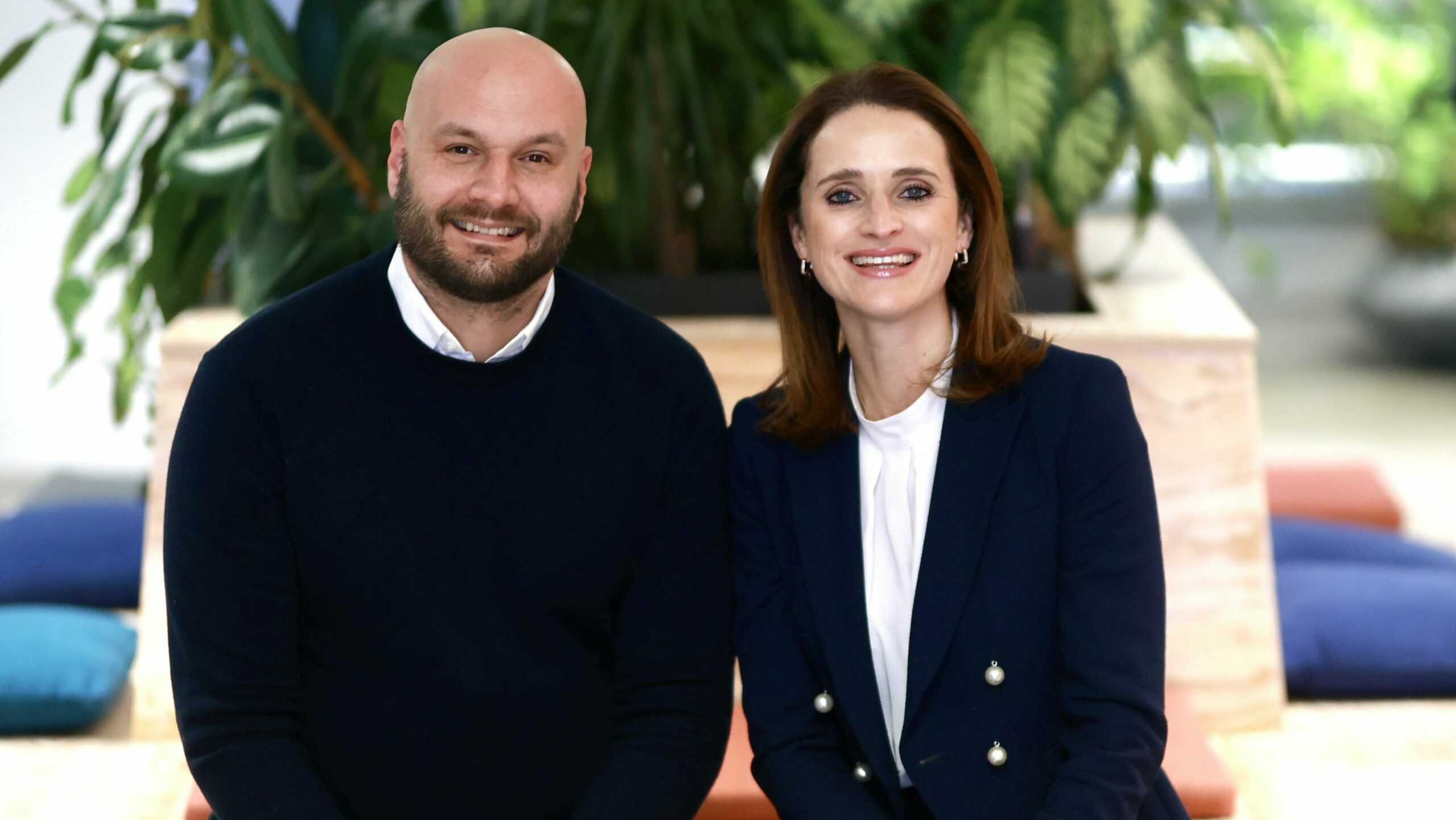

The German Startup Association will be led by Verena Pausder, entrepreneur, investor and co-founder of FC Viktoria Berlin, as Chairwoman of the Board. Together with an “all-star team” of ten founders and investors, Pausder wants to make Germany the “most start-up-friendly location in Europe”.
German Startup Association with a woman at the helm for the first time: entrepreneur and investor Verena Pausder was elected as the new chairwoman of the association. In her inaugural speech, she focused on revitalizing Germany’s role as a pioneer in innovation. This requires the power of start-ups and an “entrepreneurial awakening”. This is based on a culture of courage, in which people dare to take risks and try new things. “Germany must learn again to make the impossible possible. It is currently groaning at all levels and we need new momentum. Together, we want to usher in a new era of technological and economic renewal. Germany must make better use of its existing strengths in research and development and commercialize them more easily. We too often stand in our own way and squander our future opportunities in the process,” explained Pausder. With the new Executive Board, an “innovation agenda” is planned for the new decade.
A look at the USA shows how important young companies are for the renewal and further development of an economy. Despite an excellent research landscape and a strong SME sector, Germany is lagging behind in international comparison. “Too often people say: ‘We can’t afford it’ or ‘It’s too risky’. But nothing is riskier than not taking a risk. And the consequences of not doing so are often much more expensive than decisive action,” warns the new Chairwoman.
In order to strengthen German start-ups in the long term, Pausder also believes it is essential to activate more capital, especially for deep-tech start-ups and large financing rounds. It is also necessary to improve the exit conditions. “We need to mobilize more venture capital in Germany and Europe in order to remain competitive as a business location. The capital is there, but it also needs to be invested in a future-oriented way,” said the entrepreneur. This requires the cooperation of all parties involved. “Failure is not an option here,” emphasizes Pausder. “Because if we don’t succeed, value creation will take place outside Europe in the future. In the medium term, Germany would lose its relevance as a location for innovation. As a country with few resources, we can’t afford that.”
The new Executive Board team comprises:
- Verena Pausder, CEO; entrepreneur, investor & co-founder of FC Viktoria Berlin
- Nicole Büttner, Founder & CEO Merantix Momentum
- Jochen Engert, Co-Founder & Vice Chairman Flix
- Kati Ernst, Co-Founder & Co-CEO Ooia
- Zoé Fabian, Growth Investor
- Hélène Huby, Co-Founder & CEO The Exploration Company
- Benedict Kurz, CEO & Founder Knowunity
- Magdalena Oehl, Founder and Managing Director TalentRocket
- Sebastian Pollok, Founding Partner Visionaries Club
- Helmut Schönenberger, Co-Founder & CEO UnternehmerTUM
“With this Executive Board team, we have succeeded in putting together an excellently networked and diverse team that reflects the entire dynamism and diversity of the German startup landscape. Each individual in this team stands for entrepreneurial drive and the will to advance economic development in our country from within the startup scene,” says Pausder. With this election, the startup association wants to set an example for gender equality: For the first time, a woman is taking over the chairmanship and there are more women than men on the board. Verena Pausder and her team want to make Germany the most start-up-friendly location in Europe. Their approaches are:
- Facilitating access for top international talent
- Improving the transfer from the research landscape (spin-offs)
- Capital activation for deep-tech start-ups and large financing rounds and
- Strengthening impact entrepreneurship
- Integration of entrepreneurship in educational curricula
The aim of the measures is to bring Germany back to the forefront of international innovation competition, with a particular focus on cooperation between start-ups and established companies. In this context, the Hamburg metropolitan region, one of the strongest start-up regions in the country, plays an important role, where the Startup Port pools the strengths of ten universities and other research institutions to promote science-based start-ups by networking skills, services and networks.
About the Startup Association:
The startup association has almost 1,200 members and was founded in Berlin in September 2012. The association sees itself as the representative and voice of startups in Germany: it represents the interests, viewpoints and concerns of startup companies vis-à-vis legislation, administration and the public. He promotes innovative entrepreneurship and wants to bring the start-up mentality into society. The association sees itself as a network for start-ups in Germany.